Jökulsárlón Crystal Ice Cave Tour review
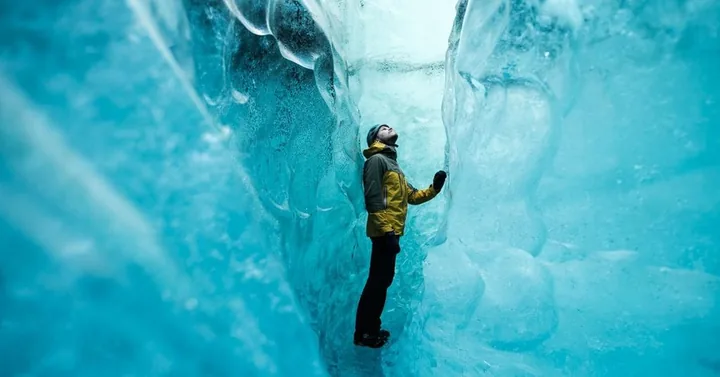
What the tour is like
You meet at Jökulsárlón glacier lagoon, get on a giant off-road truck, and drive up the Vatnajökull glacier to the winter ice cave. Vatnajökull is Europe’s largest glacier by volume, and the caves here form anew each autumn in meltwater channels — they’re only safe to enter roughly November through March because the ice structure changes as the season progresses. The blue colour comes from the way sunlight refracts through compacted ancient ice with no air bubbles. You spend roughly 30–45 minutes inside the cave and the rest exploring the glacier by foot and truck. The operator is family-run with four generations of experience on Vatnajökull; they scout the cave daily and re-route if conditions change. Groups are small, about 10 people, so it never feels crowded inside the cave itself.
What works
- The bright-blue ice is the cave you see in photographs; winter light inside is extraordinary
- European largest glacier by volume; you’re on genuine glacial terrain, not a manufactured route
- Guides scout daily and re-route if needed; safety is continuous, not one-time checked
- Boots available if you don’t have them; crampons and helmets included
- Ronan from Ireland stopped to watch reindeer; Madison from Germany noted “the tour comes with everything”
Worth knowing
- Winter-only operation means no access June–October; November–March slots sell out in peak season
- Vatnajökull conditions can close tours with little warning; weather is the wildcard
- Ice form anew each autumn, so late-season trips (April) may have tunnel melt or different cave access
- Jökulsárlón glacier lagoon is 4.5–5 hours from Reykjavík; this is a south-coast commitment
Book ahead in peak season (December–February); winter slots fill fast. Ronan from Ireland noted the “gigantic off-road truck” and safety equipment are part of the experience. If April is your only option, expect possible melt; Alessia from Italy booked mid-April and still saw an ice tunnel, but it’s less guaranteed.
Planning your cave day?Every tour here has free cancellation up to 24 hours before departure — reserve a spot now, decide later. Winter crystal-cave dates are the only ones that regularly book out.
Check availabilityWho it’s for
Winter travelers based on the south coast (November–March). Photographers who want the iconic blue-cave images. Anyone visiting Jökulsárlón glacier lagoon already. If you’re based at Skaftafell, another Vatnajökull option is nearby. Visiting other months or based in Vík? Katla runs year-round.
Other tours to consider
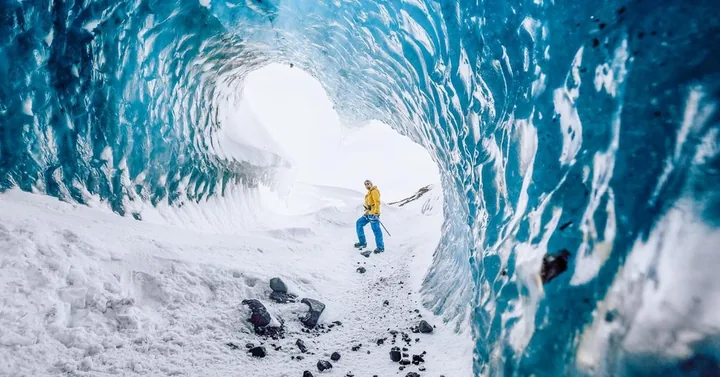 Cave + hike
Skaftafell: Ice Cave Tour and Glacier Hike
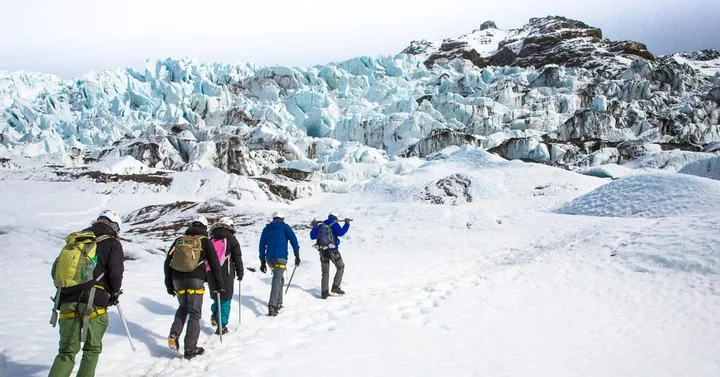 Budget pick
Skaftafell: Blue Ice Glacier Hike on Vatnajokull
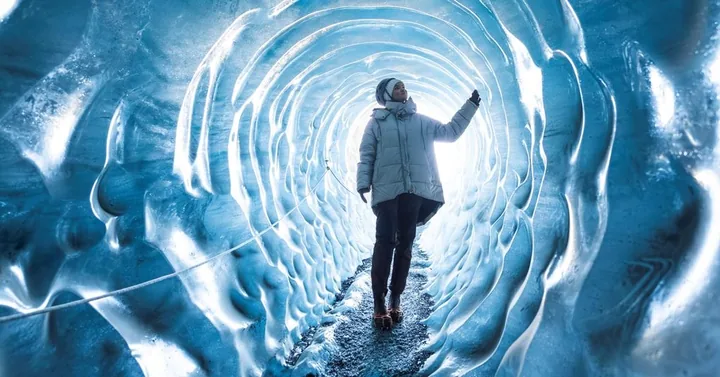 Best seller
From Vik: Katla Ice Cave and Super Jeep Tour
Frequently asked questions
Is the $153 crystal cave worth the winter wait?
Yes, if you want the bright-blue photos. The ice is genuinely different from Katla’s black-ash version. Book early; peak season slots (Dec–Feb) sell out. You cannot visit on your own — guides scout routes daily as ice conditions shift.
When do the crystal caves open and close?
Roughly November through March; exact dates shift each year depending on ice formation. Late-April trips can find tunnels, but melt is beginning. Read our month-by-month breakdown.
Do they provide boots?
Yes, the operator can lend boots if you need them. Madison from Germany specifically praised that they “come with everything, including boots if you need them and crampons.” Bring waterproof hiking boots if you have them; if not, they’ve got you.
How does Vatnajökull cave differ from Katla?
Vatnajökull caves are bright blue from ancient glacial ice; Katla’s ice is streaked with black volcanic ash. Both are real glacial caves, but Vatnajökull photos are the ones you see in travel magazines.